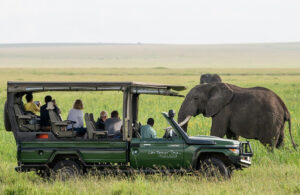
Search “gorilla trekking Uganda” or “Serengeti safari” and you’ll find dozens of stunning, photo-heavy websites — most of which are quietly losing bookings. A gallery of beautiful wildlife shots impresses a visitor for thirty seconds. It doesn’t answer the questions that actually get someone to book: how much, what’s included, is it safe, how do I pay, who am I trusting with my trip? At Sausage Tree Pictures Studio, this is the gap we build safari websites to close.
What actually converts a safari website visitor into a booking
- Clear, upfront pricing structure — even “from $X per person” beats “contact us for pricing.” International travelers researching Uganda, Kenya, Rwanda, or Tanzania safaris compare multiple operators; if your pricing is hidden, they move to the next tab.
- Detailed, honest itineraries — day-by-day breakdowns with accommodation level, park fees included/excluded, and physical difficulty build the trust that vague “customizable adventure” copy never will.
- A booking or inquiry form that takes under 60 seconds — not a “call us” only option, which loses the large share of visitors researching outside your business hours or across time zones.
- Real reviews and trip photos, not only stock-style marketing images — travelers researching gorilla trekking or a Serengeti migration safari actively look for proof of a real, operated experience.
- Fast load times on average international connections — a gallery-heavy site that takes 8 seconds to load loses visitors before they see a single photo; images must be properly optimized, not just high-resolution.
- Trust signals above the fold — licensing, years in operation, association memberships (like UTB, KATO, RDB-linked bodies), and payment security.
SEO specifically for safari and tour operator sites
Safari search intent is highly specific — “3 day gorilla trekking Bwindi,” “luxury Serengeti safari 7 days,” “budget Uganda safari” — and generic homepage SEO won’t capture it. Dedicated landing pages for each major tour/route, each targeting its own specific search phrase, consistently outperform a single all-in-one “tours” page. Structured data (TouristTrip and FAQPage schema) also helps safari content get pulled directly into AI-generated travel answers on tools like ChatGPT and Google AI Overviews — an increasingly important discovery channel as travelers start planning trips through AI search rather than only Google.
Why photography quality matters more here than almost any other industry
Safari and travel is one of the most visually-driven purchase decisions online. Poor, generic, or overly-edited photography is one of the fastest ways to lose credibility with a traveler comparing operators — which is exactly why photography and website work need to be handled together, not as separate afterthoughts.
FAQ
What makes a safari website convert better than a beautiful gallery site? Clear pricing, detailed itineraries, a fast and simple booking/inquiry process, and genuine trust signals consistently convert better than photography alone — beautiful images get attention, but clarity and trust get bookings.
How important is mobile optimization for a safari or travel website? Very — a significant share of international travelers research and even begin booking on mobile, so slow-loading, non-responsive safari sites lose bookings before a desktop visitor ever sees them.
Does a safari website need a blog for SEO? Yes — destination guides, park comparisons, and practical trip-planning content (“best time to see gorillas in Bwindi,” “Uganda vs Kenya safari”) capture research-stage travelers early and build the topical authority that helps the booking pages themselves rank.
Call to action: Sausage Tree Pictures Studio specializes in safari and travel websites built to convert, not just impress. [Request a free website review] of your current site or booking flow.